Wars don't just drain bank accounts; they empty the shelves where the nation stores its insurance policies. When the Pentagon inspector general released figures detailing the fallout from Operation Epic Fury, the numbers exposed a stark reality that public talking points gloss over. Billions vanish into munitions smoke while stockpiles shrink to levels that worry career logisticians.
If you're wondering what the actual bill looks like when high-end hardware collides with protracted Middle Eastern engagements, you have to look past the political optimism. Let's break down what official oversight reports reveal about the toll on American bases, weapons inventories, and the broader economy.
The Staggering Financial Toll
Between the initial outbreak of hostilities on February 28 and June 30, Operation Epic Fury ran up a tab of roughly $33.4 billion, according to the Defense Department inspector general. Out of that massive figure, a staggering $22.3 billion went entirely toward burning through munitions.
And the meter didn't stop ticking there. The non-partisan Congressional Budget Office reported that by August 1, total Pentagon spending crossed the $38 billion threshold. Depending on how intensely operations fluctuate in the region, the conflict continues to drain upward of $3 billion a month.
You're looking at numbers that directly feed inflationary pressures. Analysts note that these multi-billion-dollar outlays contribute heavily to persistent inflation spikes reaching into early next year.
Weapons Depletion and Strategic Shortfalls
Money is only part of the equation. The real headache inside the Department of Defense involves the shelves of advanced missile interceptors and precision munitions.
The inspector general's report confirmed that the relentless pace of combat has created severe "strategic inventory shortfalls." Defense Secretary Pete Hegseth acknowledged to lawmakers that the current burn rate exposes critical bottlenecks in America's defense manufacturing capacity.
While political leaders have previously insisted that national stockpiles are virtually unlimited, industry experts paint a different picture. Restoring advanced missile inventories and defensive interceptor networks back to pre-war baselines isn't something that happens overnight. Current projections estimate it will take roughly three years of uninterrupted manufacturing just to plug the gaps.
Direct Damage to Bases and Assets
It's not just off-the-shelf munitions getting vaporized in flight. Iranian strikes targeting regional outposts have inflicted real physical damage on American infrastructure across the Middle East.
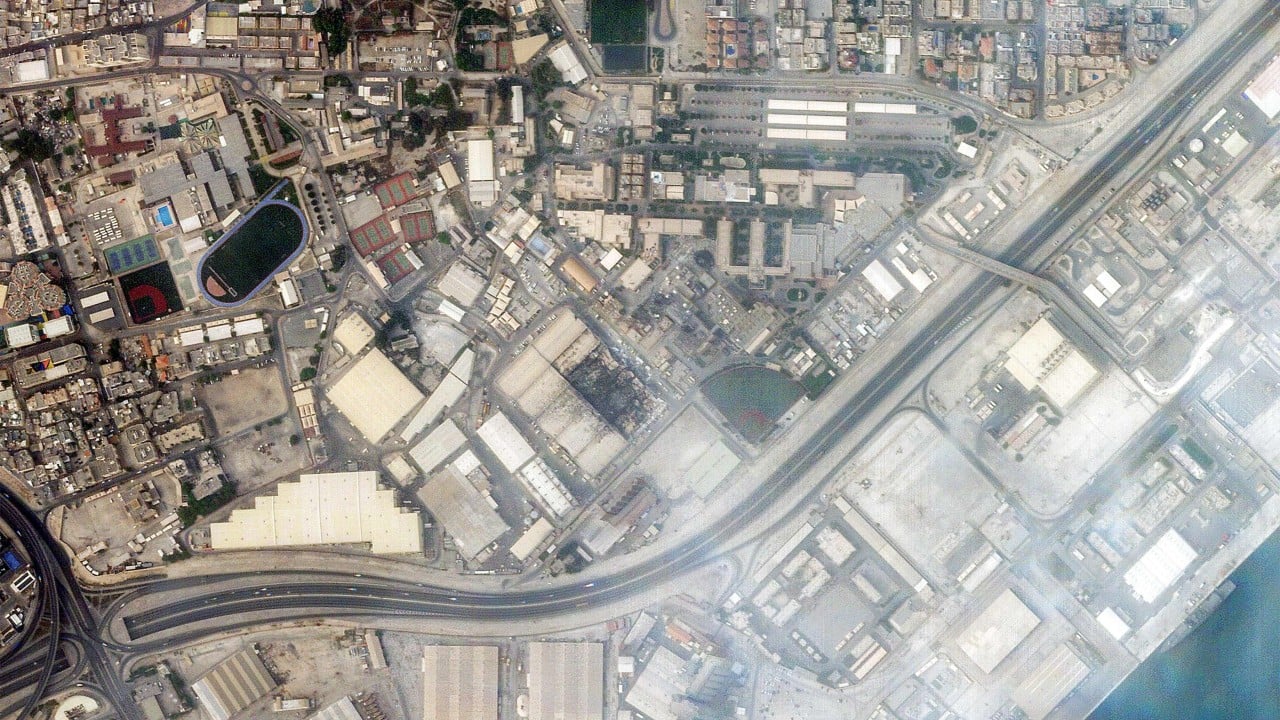
Reports from defense watchdogs confirm that hundreds of individual buildings, hangars, and support structures at various US bases have been heavily damaged or completely destroyed. Furthermore, dozens of American aircraft and advanced reconnaissance drones have been knocked out of commission on the tarmac or intercepted in mid-air.
Diplomatic outposts haven't escaped the fallout either. Security posture adjustments and structural repairs at embassies and regional facilities add millions more to the indirect ledger of the conflict.
Economic Ripple Effects Beyond the Battlefield
When military action disrupts global shipping lanes and energy hubs, the costs multiply globally. The threat of maritime choke-point closures has forced major shipping giants like Maersk, Hapag-Lloyd, and CMA CGM to suspend critical transits, driving up freight costs.
Oil prices have reacted violently to every escalation, spiking past $82 a barrel with persistent warnings that a prolonged standoff could push crude past $120. Every dollar added to a barrel of oil filters straight down to the pump, pinching consumers who have already weathered years of persistent inflation.
Military might buys immediate tactical outcomes, but the long-term bill arrives in depleted arsenals, strained industrial supply chains, and economic shockwaves that last for years. Plan your financial and operational strategies accordingly.