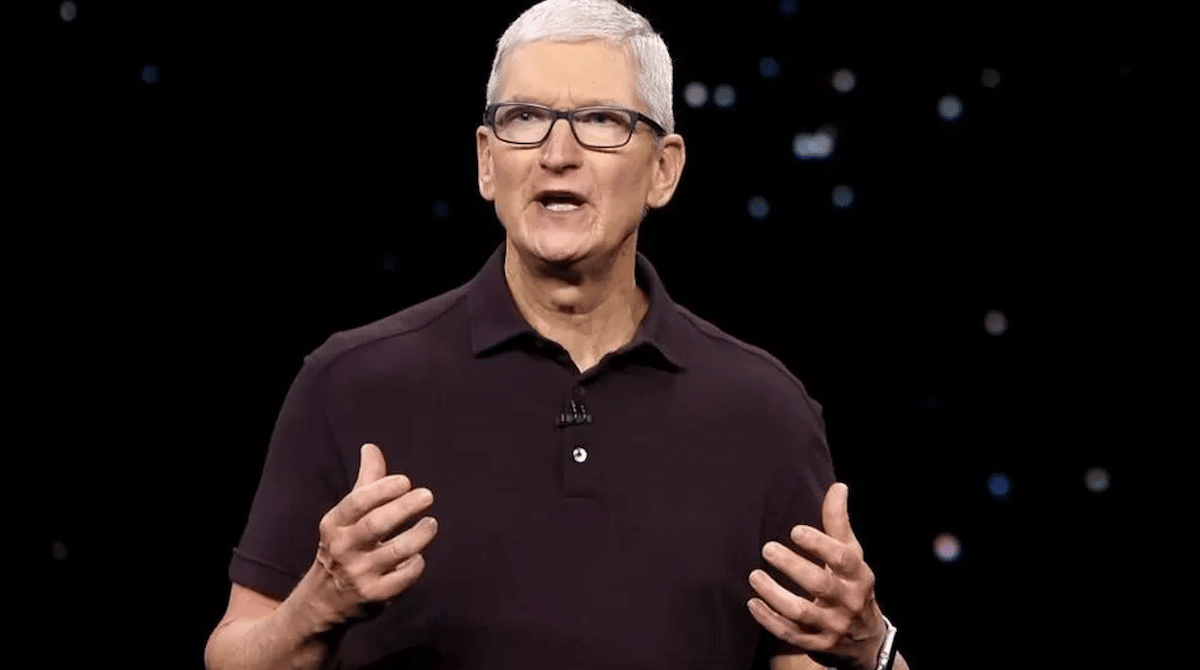
When Tim Cook took the helm at Apple in 2011, skeptics predicted the company would coast on Steve Jobs' momentum before slowly fading into corporate irrelevance. They were wrong. Fifteen years later, Cook didn't just maintain the machine; he transformed a dominant hardware maker into an absolute cash-printing ecosystem.
You can look at his tenure through endless corporate presentations, but the raw numbers tell the real story. Let's break down the metrics that actually define Tim Cook's Apple legacy.
The Trillion-Dollar Valuation Jump
Market capitalization is often a vanity metric, yet the scale of Apple's growth under Cook demands attention. When he stepped into the CEO office, the company sat at a valuation under $350 billion. Fast forward, and Apple has repeatedly flirted with and surpassed the historic $4 trillion threshold.
That roughly tenfold increase matches the economic output of entire nations. Critics often argue that this expansion was pure luck built on the coattails of the iPhone. Reality is harsher and more impressive. Cook inherited a cyclical gadget maker and turned it into an unshakeable financial titan through ruthless supply chain wizardry and pricing discipline.
The iPhone Pricing Shift and the $1,070 Average
Remember when paying $600 for a phone felt absurd? In 2011, the average selling price for an iPhone hovered around $712. Cook and his team systematically pushed consumers past psychological price barriers.
By introducing Pro and Max tiers, Apple nudged the average selling price north of $1,070. People grumbled, but they kept buying. This strategy protected Apple's margins against component shortages and global economic dips. It proves that brand loyalty, when engineered correctly, acts as an effective shield against inflation.
The Services Engine
Hardware used to be the beginning and end of the story. Cook realized early on that a stagnant smartphone growth curve required a secondary engine.
In 2011, Apple's services division—comprising the App Store, iCloud, and early digital media—brought in a modest $6.3 billion. By fiscal 2025, that annual figure exploded past $100 billion. Services now contribute over a fifth of total revenue and carry profit margins that hardware can only envy.
By locking users into subscriptions like Apple Music, iCloud storage, and Apple TV+, Cook built a massive recurring revenue moat. Switching away from an iPhone isn't just about losing a phone anymore. It means untangling an entire digital life.
The Massive Buyback Machine
You cannot discuss Cook's financial legacy without addressing capital allocation. Apple has poured hundreds of billions of dollars into share buybacks—totaling well over $840 billion.
This aggressive strategy reduced Apple's outstanding share count by roughly 45 percent. Some analysts argue those funds should have gone toward bolder acquisitions or riskier research. Yet, the buybacks kept earnings per share climbing steadily, satisfying institutional investors and anchoring the stock price through volatile market cycles.
Active Devices and Global Reach
Under Cook, the active installed base crossed 2.5 billion devices. That staggering footprint means roughly one-third of the human population interacts with an Apple product or service regularly.
Simultaneously, geographic diversity changed. While the Americas remain foundational, markets like China matured into revenue powerhouses, generating tens of billions annually despite fierce local competition.
Navigating geopolitical friction between Washington and Beijing without totally breaking the supply chain required diplomatic tightrope walking. Cook proved to be more operator than visionary, and that operational focus kept the factories humming.
As leadership transitions to John Ternus, the incoming team faces a radically different challenge. They inherit a lofty valuation trading well past historical earnings multiples, alongside pressure to dominate the artificial intelligence era. Cook leaves behind a company optimized to absolute perfection. Whether his successor can invent the next paradigm shift remains to be seen.