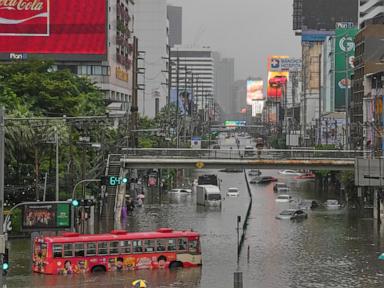
You step outside onto a Bangkok sidewalk and instantly regret it. Murky water swallows your ankles, swirling past abandoned motorbikes and stalled sedans. When the sky opens up over Thailand's capital, it doesn't just rain—it pours with a vengeance that brings a sprawling metropolis to a grinding halt.
Continuous downpours starting Thursday afternoon and spilling into Saturday morning dumped over 20 centimeters (7.8 inches) of accumulated rainfall into major city canals. Central and eastern districts bore the brunt of the weather, transforming bustling thoroughfares like Phetchaburi Road into quiet, impassable rivers. If you're trying to navigate the city right now, forget about catching a standard taxi or driving your car.
The Reality on the Ground
Bangkok Governor Chadchart Sittipunt and city officials faced immense pressure as major canals filled to capacity. Over 84,000 people across 21 provinces nationwide felt the sting of this severe weather, driven by a potent low-pressure system lingering over the central region combined with strengthening southwest monsoon conditions.
Locals walked barefoot or wrapped plastic bags around their feet to navigate the rising murky waters while carrying emergency food supplies. Long-term expats compared the intensity to the historic 2011 floods, while tourists stranded in the city center found themselves unable to secure transport. Regional bus services heading out from Bangkok toward eastern provinces saw sudden suspensions, though airport air traffic control confirmed flight operations remained mostly functional despite weather-related delays.
How Authorities Are Responding
Emergency response teams sprang into action by deploying cell-broadcast system alerts directly to mobile phones in high-risk zones. The city quickly established more than 200 evacuation shelters to accommodate residents forced out of low-lying neighborhoods, while select government facilities opened their multi-level parking structures so drivers could save their vehicles from submersion.
City drainage pumps are running at maximum capacity, but relief won't come until the relentless rain finally stops.
Take extra precautions if you're currently in the affected districts. Avoid wading through deep urban floodwaters due to hidden electrical hazards and contamination risks, keep your mobile devices charged for cell-broadcast warnings, and check real-time transit updates before attempting any cross-city travel.