You won't see it coming until you check your grocery receipt. Meteorologists and economic forecasters are sounding alarms about an incoming super El Nino cycle that is tracking to be the strongest since record-keeping began in 1950. While most weather reports focus on local heatwaves, the real story sits quietly in the agricultural heartlands of Asia. When Southeast Asia dries out, supermarket shelves across the world feel the shockwaves within months.
Understanding the full scope of this climate phenomenon requires looking past standard weather forecasts. This is a macro-level supply chain shock.
Why Asia Takes the Brutal End of El Nino
Southeast Asia is uniquely exposed when Pacific sea temperatures spike. Nations like Indonesia, Thailand, and Vietnam act as the primary engine room for global agricultural exports, particularly for vital commodities like rice and palm oil.
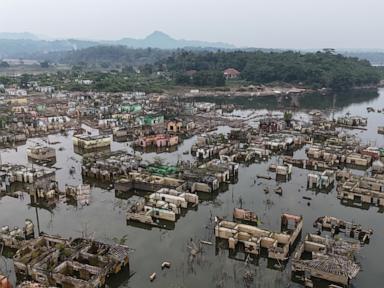
When an intense El Nino hits, monsoon rains fail or shift unpredictably. In Indonesia, wildfires already tear through peatlands while crucial reservoirs that supply millions in Jakarta see water levels drop week by week. Farmers face agonizing choices. They delay planting schedules, reduce cultivated acreage, or scramble to switch crops entirely.
According to figures from the United Nations World Food Program, climate extremes of this scale risk pushing tens of millions of additional people into acute food insecurity. The margin for error is razor-thin. Governments across the region spent massive financial reserves buffering against previous supply chain crunches and regional energy shocks, leaving them dangerously exposed to handle a prolonged agricultural drought.
The Global Price Ripple Effect
Crops don't stay local. When yields drop in Asia, global commodity exchanges react instantly. Goldman Sachs analysts estimate that this intensifying El Nino cycle could drive global food commodity prices up by more than 15 percent.
Consider the three largest exporters of rice—India, Thailand, and Vietnam. If drought cuts down their domestic harvests, governments frequently impose strict export bans to protect local populations. While logical for domestic survival, those export restrictions starve international markets. Prices spike everywhere from London to Los Angeles.
Palm oil follows the same dangerous script. Indonesia and Malaysia supply roughly 85 percent of the world's palm oil. It is hidden inside thousands of everyday goods, from cookies and margarine to industrial cleaning agents and cosmetics. When palm oil yields suffer, manufacturing costs surge across the consumer goods sector, passing higher bills straight to everyday shoppers.
What Happens to Regional Fisheries
It isn't just about crops stuck in the dirt. Higher ocean temperatures and diminished rainfall choke river basins and marine ecosystems alike.
The Mekong River, flowing through six nations and supporting millions through fishing and agriculture, faces acute stress. Warmer water reduces fish catches, destroying an essential source of protein and local income for river-dependent communities. When local fisheries collapse alongside failed harvests, rural poverty deepens instantly. As Kareff Rafisura from the U.N. Economic and Social Commission for Asia and the Pacific points out, agricultural stability determines whether millions stay above or slide below the poverty line.
Preparing for the Shock
If you manage supply chains, run a food business, or simply track household inflation, waiting for the peak in December is a major mistake. Forward-looking companies are already diversifying supplier networks, locking in commodity contracts early, and finding alternative sourcing locations in regions experiencing neutral or favorable weather conditions.
The economic fallout of past extreme climate cycles reached trillions of dollars in losses. This round threatens to match or exceed those figures. Keep a close eye on export restrictions out of Southeast Asia over the coming months. That remains the clearest early-warning indicator for what your grocery bill will look like next year.
Extreme El Nino threatens Asia with drought and could raise global food prices
This video provides an on-the-ground look at how the intensifying El Nino is draining water reserves and threatening agriculture across Southeast Asia.
http://googleusercontent.com/youtube_content/1